







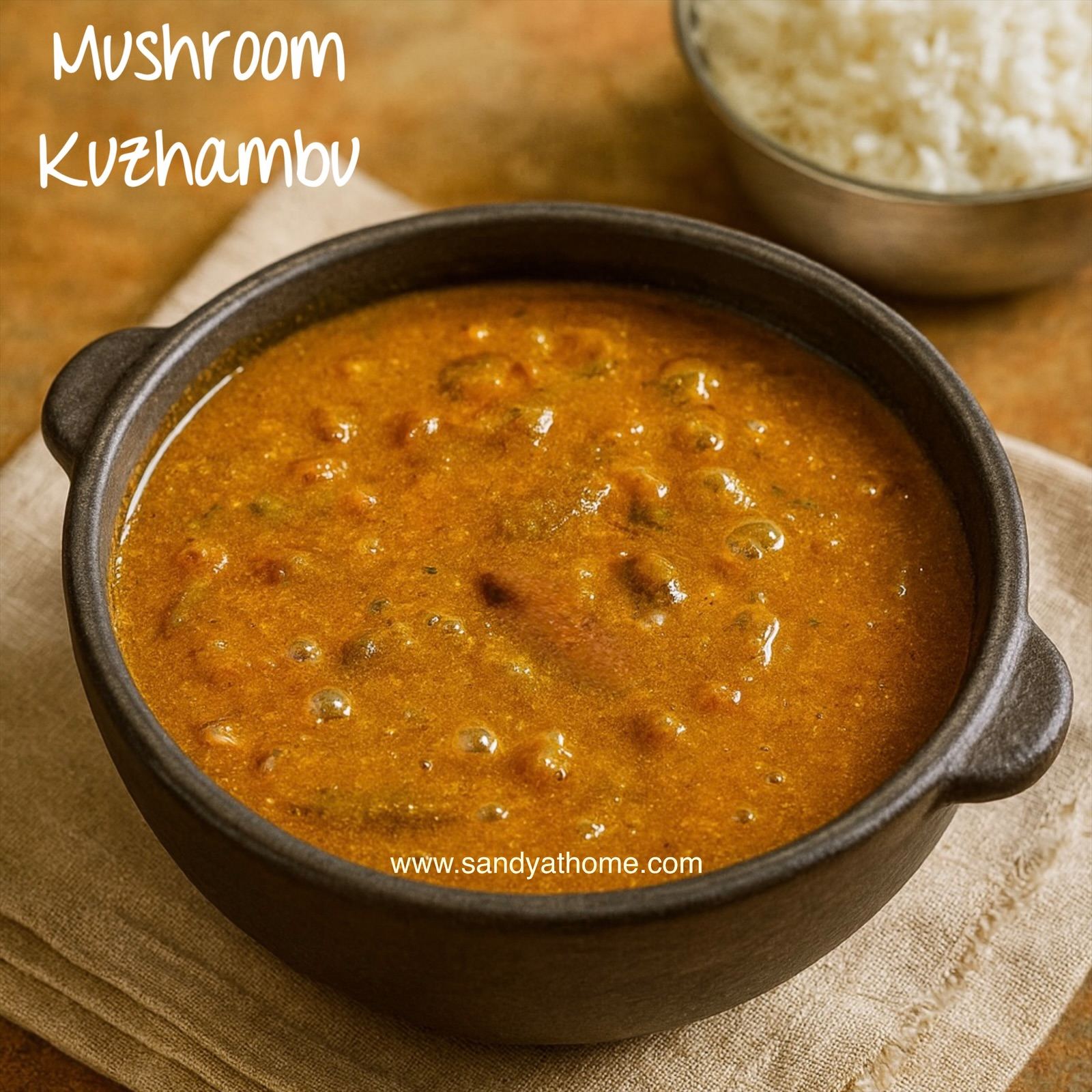
There are some kuzhambu recipes that quietly make their way into your weekly menu and then never leave — and Kalan Kuzhambu is one of them. The comforting aroma of sautéed mushrooms mingling with roasted onions, tomatoes, and freshly ground coconut masala feels like home in every spoonful.
This recipe is one of my most dependable “busy day saviors.” Even though it looks rich and restaurant-style, the base is made from the simplest pantry ingredients — roasted spices, onion, tomato, and a handful of coconut. Once everything comes together, the kuzhambu turns beautifully thick, velvety, and full of flavor.
Whether you pair it with hot white rice and a drizzle of ghee, tiffin dishes like idli and dosa, or even millets on wholesome days, this Kalan/ Mushroom Kuzhambu sits proudly at the center of the table. It’s hearty, earthy, and has that irresistible depth that only home-style cooking can give.
A Bite of History – South Indian Mushroom Gravy
Kalan Kuzhambu may look modern because of the mushrooms, but its heart belongs to the oldest kuzhambu traditions of Tamil Nadu. In ancient coastal and agrarian kitchens, a kuzhambu was never just a gravy — it was a way to build depth using humble ingredients. The base always began with what the land offered: roasted spices, onions, tomatoes for tang, and freshly grated coconut for body.
Mushrooms, called kalan in Tamil, were foraged in the rainy season in rural belts, especially near fields and forest edges. They were treated almost like a delicacy because they absorbed every bit of the masala they were cooked in. Over time, this kuzhambu evolved from a seasonal recipe into an everyday favorite, thanks to the earthy flavor of mushrooms and the richness of freshly ground masala.
Today, Kalan Kuzhambu stands at the beautiful crossroads of tradition and comfort food — carrying the soul of old Tamil cooking while fitting effortlessly into modern kitchens. Every spoonful is a reminder of how our ancestors layered flavors with such simple, honest ingredients.
Ingredient Roles in Kalan Kuzhambu and Substitutes
| Ingredient | Role in the Recipe | Possible Substitutes |
|---|---|---|
| Fennel seeds | Adds gentle sweetness and classic kuzhambu aroma. | ½ tsp fennel powder or skip if needed. |
| Cumin seeds | Gives earthy depth and helps balance flavors. | ¼ tsp cumin powder. |
| Coriander seeds | Provides warmth and body to the gravy. | 1 tsp coriander powder (roast lightly before using). |
| Cinnamon | Adds mild sweetness and complexity. | A small clove or a pinch of garam masala. |
| Dry red chili | Gives heat and roasted flavor. | Replace with chili powder. |
| Onion | Adds thickness, sweetness, and smoothness when ground. | Shallots for richer taste, or white onion. |
| Garlic | Builds savory depth and complements mushrooms. | Skip for no-garlic version or use ¼ tsp garlic powder. |
| Ginger | Adds freshness and aids digestion. | ¼ tsp ginger paste or ginger powder. |
| Tomato | Your main source of tang since you didn’t add tamarind. Helps balance richness. | 1–2 tbsp curd OR small piece of kokum for a different tang. |
| Grated coconut | Gives body, creaminess, and smooth texture to the gravy. | Cashew paste (1 tbsp) or coconut milk (add at the end). |
| Curry leaves | Essential South Indian aroma and flavor enhancer. | No substitute — optional if not available. |
| Mushrooms (Kalan) | Star ingredient; absorbs masala and adds umami. | Brinjal, white pumpkin, boiled potatoes, or mixed vegetables. |
| Turmeric powder | Adds color and antibacterial properties. | No substitute needed. |
| Red chili powder | Main heat and color provider. | Kashmiri chili for color with less spice. |
| Coriander powder | Adds warmth and body to the gravy. | Increase roasted whole coriander slightly. |
| Salt | Enhances and balances flavors. | Any edible salt. |
| Water | Adjusts gravy consistency. | Thin coconut milk for a creamier version. |
You May Also Like these Recipes:
Kalan Kuzhambu, How to make South Indian Mushroom Gravy
4
servings10
minutes25
minutesKalan Kuzhambu is a flavorful South Indian mushroom kuzhambu made with a freshly ground onion–tomato–coconut masala. This thick, aromatic curry pairs perfectly with steamed rice, idli, or dosa and comes together quickly.
Ingredients to make Mushroom Gravy
- To Roast and Grind
½ teaspoon, ½ Fennel seeds
½ teaspoon, ½ Cumin seeds
1 teaspoon, 1 Coriander seeds
1 small piece, 1 Cinnamon
1 to 2 nos. 1 to 2 Dry red chili
1 nos. 1 Onion (chopped)
3- 4 cloves 3- 4 Garlic
1 small piece, 1 Ginger
1 nos. 1 Tomato (chopped)
2 – 3 tablespoon, 2 – 3 Grated coconut
Curry leaves, few
1 tablespoon, 1 Oil
- For Kuzhambu
10 – 12 nos. 10 – 12 Button mushrooms, 2 cups, halved
¼ teaspoon, ¼ Turmeric powder
2 to 3 teaspoon, 2 to 3 Red chili powder
2 teaspoon, 2 Coriander powder
a sprig, a Curry leaves
Salt, as required
Water, as needed
2 tablespoon, 2 Oil
Directions to make Mushroom Kuzhambu
- Temper and Roast Masala Base
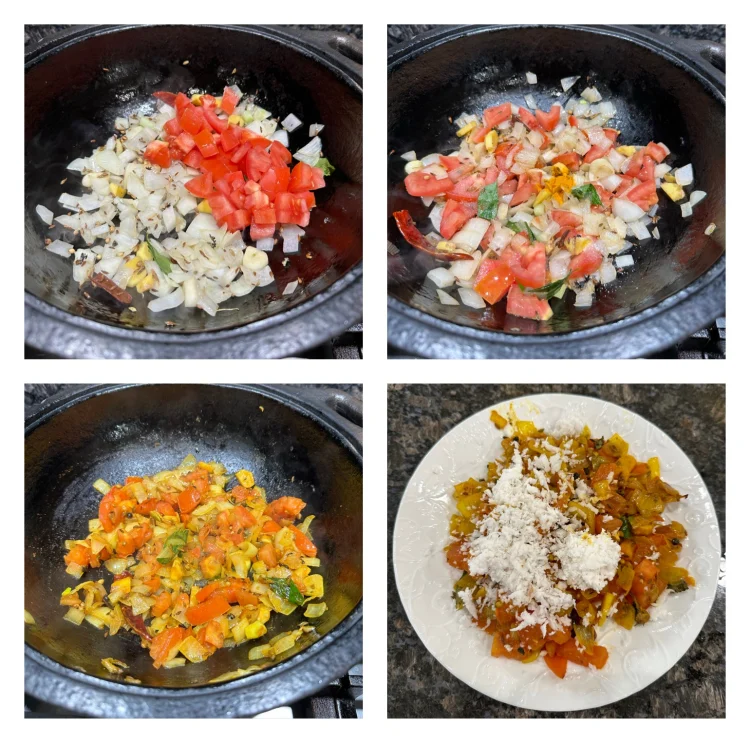
Heat a tsp of oil in a pan.
Add fennel, cumin, coriander seeds, cinnamon, and red chili.
Once aromatic, add chopped onion, garlic, ginger, and curry leaves.
Sauté until onions turn translucent. - Add Tomatoes and Coconut
Add chopped tomatoes and cook until mushy.
Add grated coconut and sauté for 1–2 minutes.
Transfer everything to a plate and let it cool. - Grind the Masala
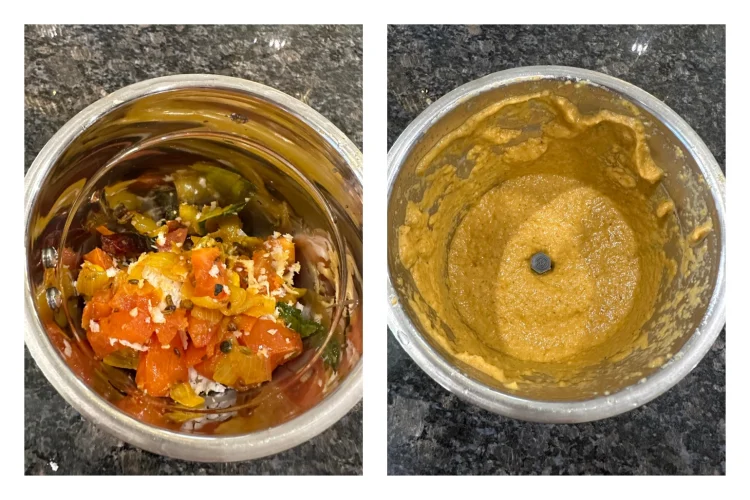
Grind the roasted mixture into a smooth paste with little water.
This masala is what gives the kuzhambu its rich color and thick body. - Sauté the Mushrooms
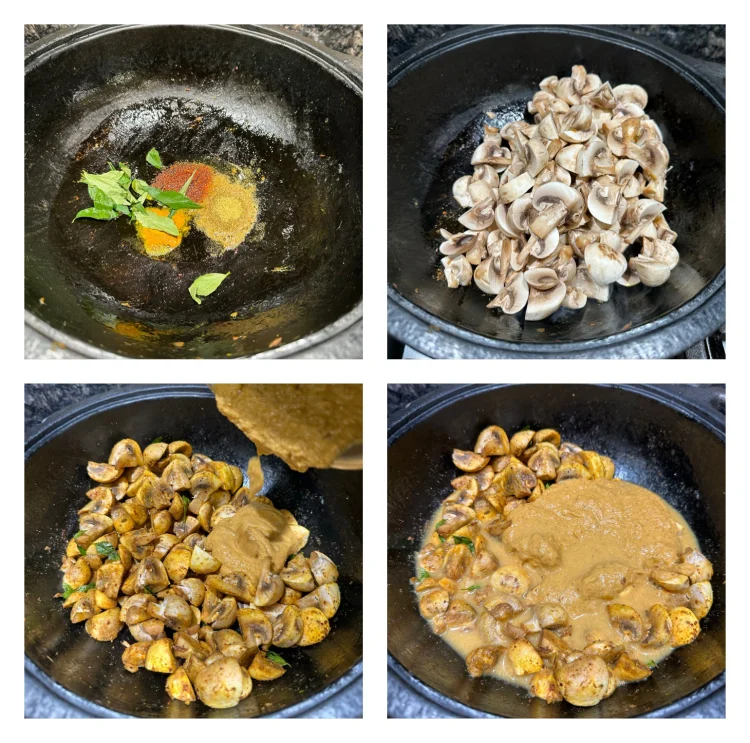
Heat 2 tbsp oil in the same pan.
Add curry leaves, turmeric, chili powder, coriander powder, and curry leaves.
Add chopped mushrooms and sauté for a few minutes until they shrink slightly. - Add Masala and Simmer
Add the ground masala paste to the cooked mushrooms.
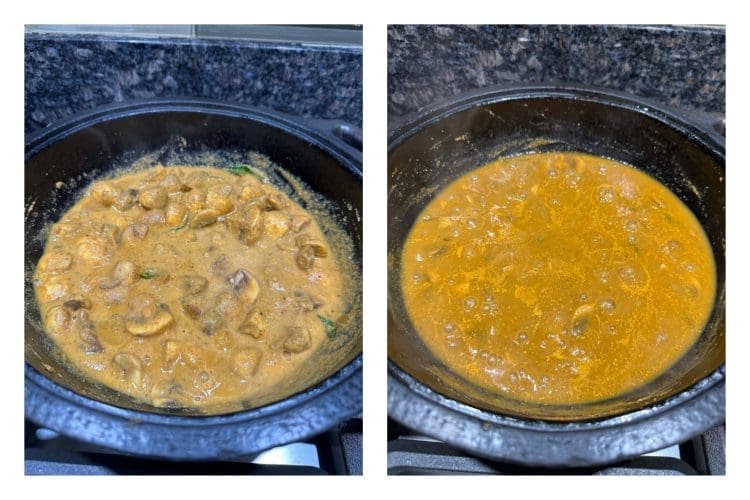
Add required water to adjust consistency and check salt.
Let the kuzhambu boil and simmer on medium heat until oil releases and flavor deepens.
Notes
- 1 cup = 250 ml
 Print
Print
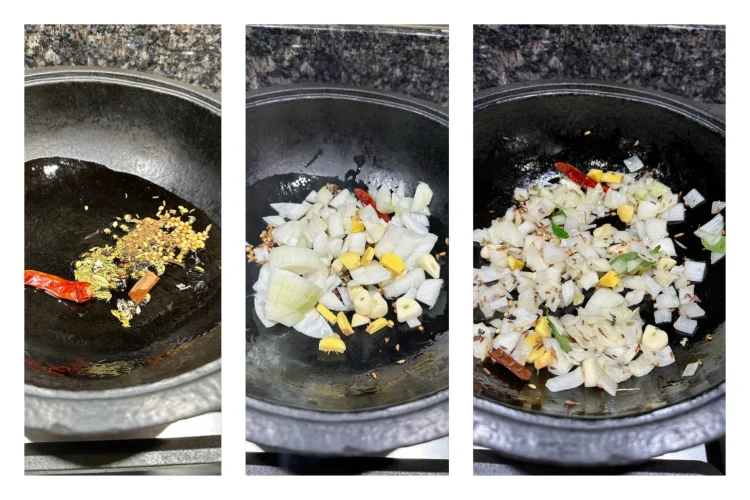
Directions to make mushroom kuzhambu with step by step images
- Temper and Roast Masala Base
Heat a tsp of oil in a pan.
Add fennel, cumin, coriander seeds, cinnamon, and red chili.
Once aromatic, add chopped onion, garlic, ginger, and curry leaves.
Sauté until onions turn translucent.
- Add Tomatoes and Coconut
Add chopped tomatoes and cook until mushy.
Add grated coconut and sauté for 1–2 minutes.
Transfer everything to a plate and let it cool. - Grind the Masala
Grind the roasted mixture into a smooth paste with little water.
This masala is what gives the kuzhambu its rich color and thick body. - Sauté the Mushrooms
Heat 2 tbsp oil in the same pan.
Add curry leaves, turmeric, chili powder, coriander powder, and curry leaves.
Add chopped mushrooms and sauté for a few minutes until they shrink slightly. Add the ground masala. - Add Masala and Simmer
Add the ground masala paste to the cooked mushrooms.
Add required water to adjust consistency and salt.
Let the kuzhambu boil and simmer on medium heat until oil releases and flavor deepens.
Pro Tips for Perfect Kalan Kuzhambu
- Sauté mushrooms well before adding the masala. This step brings out their earthy flavor and prevents them from tasting raw.
- Grind the masala to a smooth paste — this gives the kuzhambu its thick, velvety texture.
- Since there is no tamarind, rely on fresh, ripe tomatoes for tang. Add 1 extra spoon of tomato if your tomatoes are not sour.
- Use gingelly oil (nalla ennai) for sautéing to get that authentic South Indian aroma.
- If the kuzhambu becomes too thick after cooling, add hot water to adjust consistency before serving.
- To brighten the flavor at the end, add a small splash of coconut oil or gingelly oil after switching off the flame.
- For a richer version, add ¼ cup thin coconut milk toward the end of cooking.
- If you want a spicier kuzhambu, increase chili powder or add a small piece of black pepper while roasting the spices.
Serving Suggestions
- Serve hot with steamed rice and appalam.
- Great with millet rice (kodo millet, foxtail millet, barnyard millet).
- Tastes delicious with idli, dosa, kal dosa, or kambu dosa.
- Pair with curd rice for a balanced South Indian meal.
- Add a side of simple poriyal like beans, cabbage, carrot, or potato roast for a complete lunch.
FAQs – South Indian Mushroom Gravy
Kalan Kuzhambu is made of mushrooms cooked in a freshly ground masala of onions, tomatoes, coconut, fennel, and spices. It is a traditional South Indian kuzhambu that pairs well with rice and dosa.
Yes! This recipe is naturally made without tamarind. The tanginess comes from tomatoes, making the kuzhambu mild, balanced, and kid-friendly.
Button mushrooms work best for Kalan Kuzhambu because they hold their shape and absorb masala well. You can also use cremini or baby bella mushrooms.
Grinding roasted onions, tomatoes, coconut, and spices into a smooth paste naturally thickens the kuzhambu without flour or cream.
Kalan Kuzhambu tastes best with steamed rice, millet rice, dosa, idli, and appalam. It also pairs well with side dishes like potato roast or cabbage poriyal.
Yes. Replace coconut with 1 tbsp cashew paste or 2 tbsp coconut milk. The texture will be slightly different but still creamy.
Store it in an airtight container and refrigerate for 1–2 days. Reheat with a little water, as the kuzhambu thickens after cooling.
Yes. Mushrooms are rich in B vitamins and minerals, and the kuzhambu uses minimal oil. It’s a nutritious option for everyday meals.
Yes. Kalan Kuzhambu is naturally vegan and gluten-free, making it suitable for a variety of dietary needs.
Gravy/ Curry/ Masala Recipes
Andhra style Kale Pappu, How to make Kale Paruppu
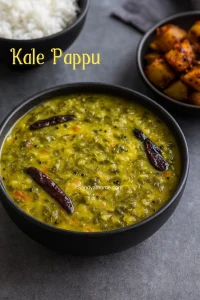
A wholesome South Indian–style dal made with toor dal, garlic, and fresh kale leaves. Whether you call it Kale Paruppu, Kale Pappu, or Kale Dal, this one-pot curry brings together traditional flavors and modern greens for a nourishing lunch
Veg Kothu Kari Kuzhambu, How to make Veg Mince Curry
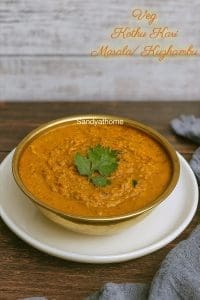
A Chettinad-inspired vegetarian twist on mutton kothu kari, this soya mince masala and kuzhambu is hearty, spicy, and perfect with rice, dosa, or chapati.
Aloo Palak, How to make Potato and Spinach Curry Recipe
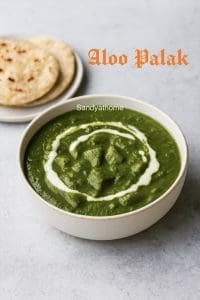
Aloo Palak is a delicious North Indian curry where soft potato cubes are simmered in a smooth spinach gravy with aromatic spices. Nutritious, comforting, and perfect with roti, naan, or rice
Gongura Prawns, How to make Gongura Royyalu

Tangy, spicy, and irresistibly bold, Gongura Prawns/ Gongura Royyau balance the tender juiciness of prawns with the earthy sourness of gongura leaves for a rich, rustic Andhra-style curry.
Kerala-Style Fish Curry, How to make Kerala Style Salmon Curry
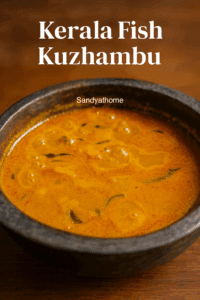
A creamy Kerala-style coconut kuzhambu made with salmon, ground coconut masala, and curry leaves — rich, golden, and comforting.
Mushroom Salna, Veg Salna, How to make Mushroom Salna
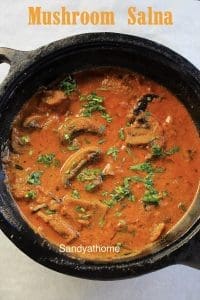
This rich, aromatic mushroom salna is my favorite veg gravy that tastes just like non-veg salna! Made with freshly ground coconut masala and warm spices, it’s the perfect side for parotta or idiyappam.
Amla Rasam, Usirikaya Charu, How to make Nellikai Rasam recipe

This traditional Amla Rasam, also known as Usirikaya Chaaru, is made with halved gooseberries, garlic, and freshly crushed spices. It starts with tempering to enhance flavor and is perfect for summer or anytime your body needs a gentle, immunity-boosting dish.
Veg Paya, Ash Gourd Paya, How to make Poosanikai Paya
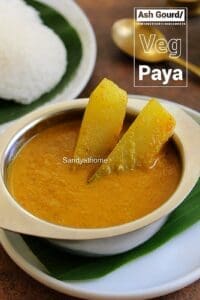
A light and flavorful vegetarian paya made with vellai poosanikai (ash gourd), simmered in a peppery coconut masala. A revival-style dish from Ambur Tamil Muslim homes, perfect with idiyappam or rice.
Revived by Sandhya Riyaz
Hyderabadi Snake Gourd Salan, How to make Potlakaya Salan
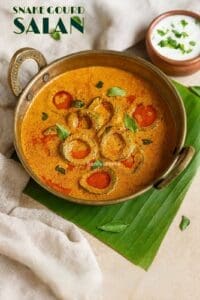
This Potlakaya Salan is a Hyderabadi-style curry made with snake gourd (pudalangai), simmered in a sesame-peanut gravy with tamarind. It’s bold, tangy, and a perfect biryani side!
Eral Kaikari Kuzhambu, How to make Prawn Kuzhambu with Vegetables
A forgotten Tamil coastal kuzhambu where prawns, brinjal, and drumstick simmer in a light coconut-jeera masala — gently spiced, soulfully simple, and perfect with hot rice.
Paruppu Urundai Mor Kuzhambu, How to make Mor Kuzhambu
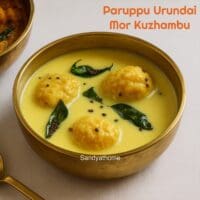
Paruppu Urundai Mor Kuzhambu is a traditional Tamil kuzhambu made with steamed lentil balls simmered in a cooling curd and coconut gravy — perfect for summer lunches and no onion, no garlic cooking days.
Panchmel Dal recipe, How to make Panchratna Dal
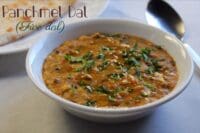
Panchmel Dal, also known as Panchratna Dal, is a traditional Rajasthani dish made using five dals, cooked with a fragrant tempering of ghee, cumin, and chilies. Serve with rice or roti for a soulful, protein-packed Indian meal.
How to make Chukka Kura Pappu, Andhra Sorrel leaves Pappu
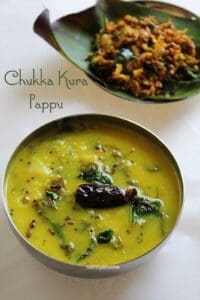
A traditional Andhra-style dal made with sour chukka kura (Indian sorrel) and toor dal — this no-onion, no-tomato recipe is rooted in village kitchens and summer wisdom.
Bottle Gourd Mor Kuzhambu, How to make Sorakkai Mor Kuzhambu
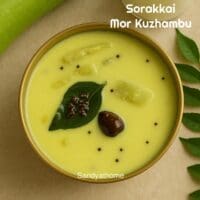
Bottle gourd mor kuzhambu is a summer-favorite Tamil-style buttermilk curry made with sorakkai, coconut paste, and simple spices. This dump-style kuzhambu is soothing, gut-friendly, and part of ancient revival recipes from South India.
Muslim-Style Chicken Kuzhambu, How to make Chicken Kuzhambu
This rich Muslim-style chicken kuzhambu is made with ground coconut, whole spices, and pepper — a traditional family favorite perfect for Bakrid and beyond.
Related posts:
 Applesauce Brownies, How to make Eggless Applesauce Brownies
 Peri Peri Salmon Pasta, How to make Peri Peri Pasta
 Bakery style sponge cake, Easy sponge cake
 Ragi Rava Idli, How to make Instant Ragi Idli
 Jamun sorbet recipe, How to make Fruit Sorbet
 Tofu Pancakes, How to Protein-Rich Eggless Pancakes
 Millet Tortilla Chips, How to make Jowar Tortilla Chips
 Millet Upma Kozhukattai, How to make Millet Upma Kudumulu
 Malli Biryani Recipe, How to make Coriander Biryani
 Wheat Idiyappam, Godhumai Idiyappm recipe